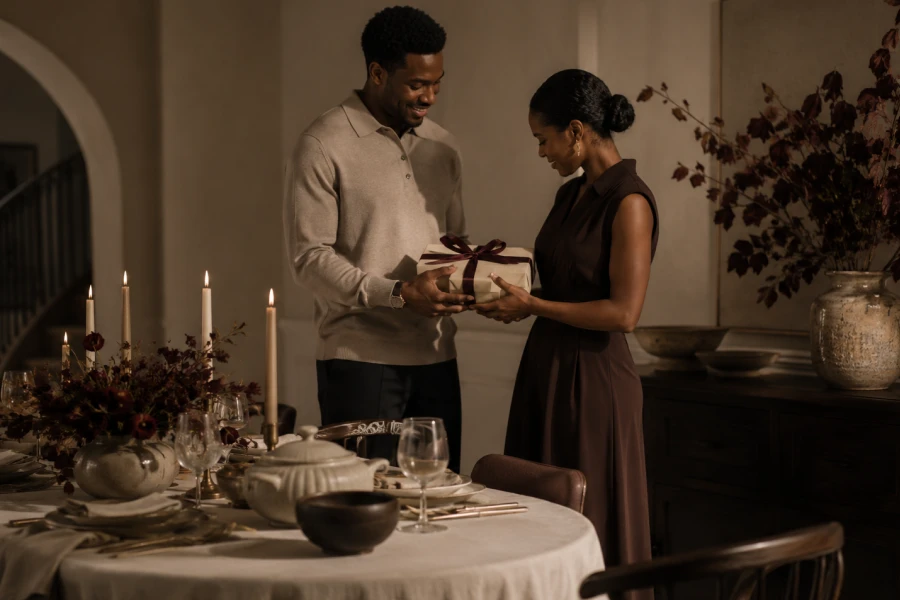
Thanksgiving home decor gifts can feel thoughtful without becoming overly themed or temporary. The strongest choices bring seasonal warmth into rooms people already love. They should look natural beside everyday furniture, favorite dishes, and familiar textures. That approach makes the present feel considered rather than decorative for decoration’s sake. A good home gift balances beauty, usefulness, and emotional tone. It offers a small enhancement to someone’s routines. The piece may become part of a dinner table, reading corner, or entryway. It may also encourage the recipient to slow down and enjoy their surroundings. When you choose with their home in mind, the gesture becomes more personal. Seasonal gifting feels most sincere when it supports the life already happening inside a space.
Before selecting an object, consider the atmosphere you want the gift to create. Some homes feel grounded through natural woods, woven materials, and earthy ceramics. Others feel brighter through soft neutrals, brass touches, and gentle candlelight. The object should extend that mood instead of introducing a completely new one. Thanksgiving is a useful moment for gifts that make people feel settled. Focus on comfort, hospitality, and quiet beauty rather than novelty. A decorative item does not need to announce the season loudly. It can suggest autumn through color, texture, or material. A soft throw, amber glass piece, or woven basket can all feel seasonally right. The most successful present often feels like it belongs there already.
The best clues are usually visible in the recipient’s home. Look for materials they repeat across different rooms. Notice whether they prefer curved forms, clean lines, vintage details, or handmade character. Their shelves and tables can reveal much more than a gift list. You may spot a love of soft lighting, meaningful ceramics, or fresh greenery. That information helps you choose cozy seasonal decorating details that feel naturally suited to them. It also helps avoid gifts that feel too trendy or impersonal. A small object with the right texture often beats a larger object with no connection. Pay attention to how their rooms make you feel. Then choose something that supports that feeling.
Gift recipients appreciate pieces they can enjoy without rearranging their entire home. Compact items are often easier to welcome into established spaces. Think of trays, taper holders, small vases, linens, or decorative bowls. These details add polish while remaining flexible. They can move between a dining table, mantel, kitchen counter, or guest room. Their usefulness increases when they serve more than one purpose. A linen runner can soften a holiday table and later dress a console. A small basket can hold napkins, fruit, or cozy accessories. Simple pieces also work well for different design styles. Flexibility gives a home gift a longer life.
Thanksgiving style does not require an exact palette of orange, brown, and red. Softer interpretations often feel more elevated and easier to use. Consider mushroom, oat, rust, olive, caramel, cream, and smoky blue. These colors can bring warmth without looking costume-like. Texture is equally important when choosing home décor. Linen, wool, matte ceramic, raw wood, and aged metal create visual comfort. The mix should feel tactile and inviting. A subtle seasonal shift can come from one material rather than several colors. That is why warm home atmosphere pieces often make better gifts than obvious holiday ornaments. They continue working well after the table is cleared. The recipient receives something that feels relevant for months instead of days.
Hosting creates many small needs that beautiful home objects can solve. A thoughtful gift can make setting the table or welcoming guests easier. Consider something that improves a practical moment without feeling utilitarian. A serving board can become a display surface between gatherings. A pair of candleholders can add warmth to an ordinary dinner. Cloth napkins make even casual meals feel more intentional. Small vessels can hold flowers, dried branches, or guest towels. The right item becomes part of a host’s visual toolkit. It helps them create atmosphere with less effort. In that way, the gift offers both beauty and confidence. Thoughtful hosts often value details that make others feel cared for.
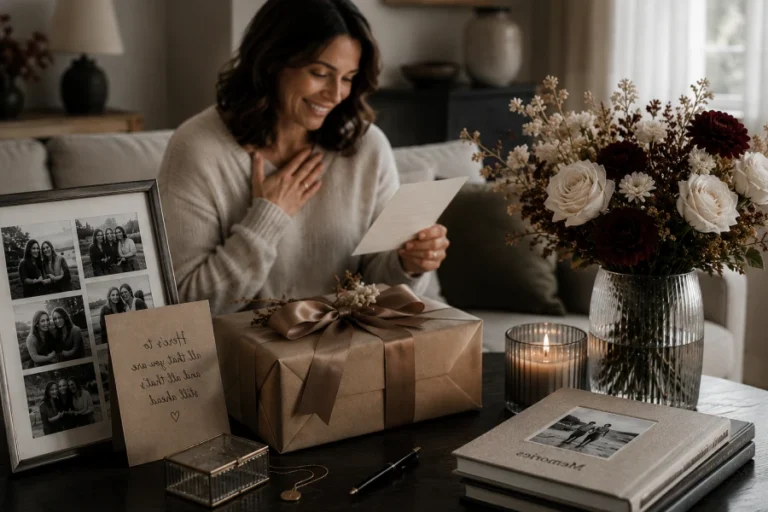
Presentation determines how a home gift is first experienced. Wrap it in a way that reflects the same quiet warmth as the item inside. Choose simple materials that feel tactile and seasonal. You might add a dried sprig, velvet ribbon, or handwritten place-card style note. Include a message about why you selected the piece. Mention that it reminded you of their table, hospitality, or personal style. For further inspiration, Thanksgiving hosting inspiration can help you make even a simple present feel layered and intentional. Avoid overexplaining the gift or making the note too formal. A few genuine lines are more than enough. When the object and message belong together, the recipient feels the care behind both.


Leave a comment