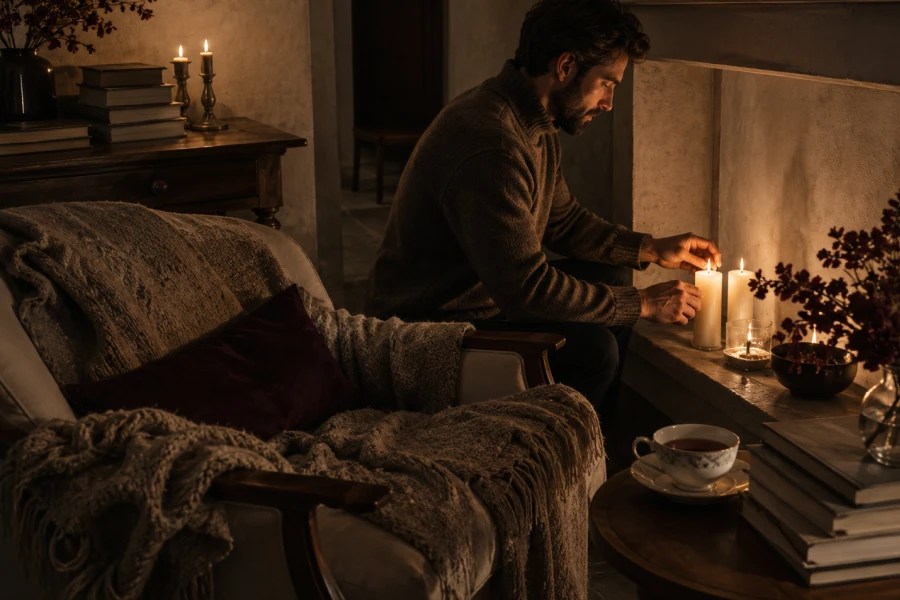
Hygge winter decorating is less about following a strict style and more about creating a feeling of ease. It invites you to make your home more comforting during darker, colder months. The concept works because it centers warmth, presence, and simple pleasures. A hygge-inspired room should make you want to linger, not just admire it from a distance. Soft light, tactile materials, and personal details all play a role. However, the goal is not to fill every corner with cozy objects. It is to create a home that supports slower routines and meaningful connection. A space can feel beautifully hygge without looking overly styled. The strongest choices reflect how you actually live. When comfort feels natural, the atmosphere becomes much more convincing.
Start by thinking about the moments when you want your home to feel most comforting. It may be early mornings with coffee, quiet evenings with a book, or long dinners with friends. Each ritual can suggest a different styling decision. A reading corner may need a warm lamp and layered blanket. A dining area may need softer light and a more welcoming tabletop. The kitchen may feel better with a bowl of fruit, wooden board, or candle nearby. Focus on small changes that make regular moments feel more enjoyable. Good hygge design supports habits instead of interrupting them. When the space makes daily life feel gentler, it is doing its job well.
Natural materials are central to a warm winter atmosphere because they add visual and tactile depth. Wood, wool, linen, ceramic, glass, and woven fibers all bring a sense of softness. You do not need to use every material at once. Choose a few that complement the existing room. A wooden tray can ground a coffee table. A chunky throw can make a chair more inviting. A handmade ceramic bowl can give a shelf quiet character. For a more focused approach, hygge-inspired home touches can help you identify materials that feel warm without becoming visually heavy. Let each object bring a different texture. Variation makes the room feel layered and lived in.
Warm rooms are more interesting when they include gentle contrast. Pair pale textiles with dark wood or deep ceramic accents. Place smooth glass beside a woven basket or knitted throw. Use candlelight against matte walls or a soft rug under a clean-lined table. These differences add dimension without breaking the calm mood. Contrast should feel quiet rather than dramatic. Think in terms of light and shadow, rough and smooth, pale and deep. A room with only one texture can feel flat even when it is cozy. Small contrasts create visual rhythm. That rhythm helps the space feel comfortable but not predictable.
Hygge does not mean crowding every surface with décor. Too many objects can make a room feel restless instead of calming. Leave some open space on shelves, tables, and floors. Let favorite objects stand out rather than competing for attention. Edit anything that does not add beauty, comfort, or real function. This is especially important in smaller rooms. A few thoughtful details can create more warmth than many tiny accessories. Clear surfaces also make daily routines easier. The room should feel relaxed before anyone even sits down. Spaciousness is part of comfort.
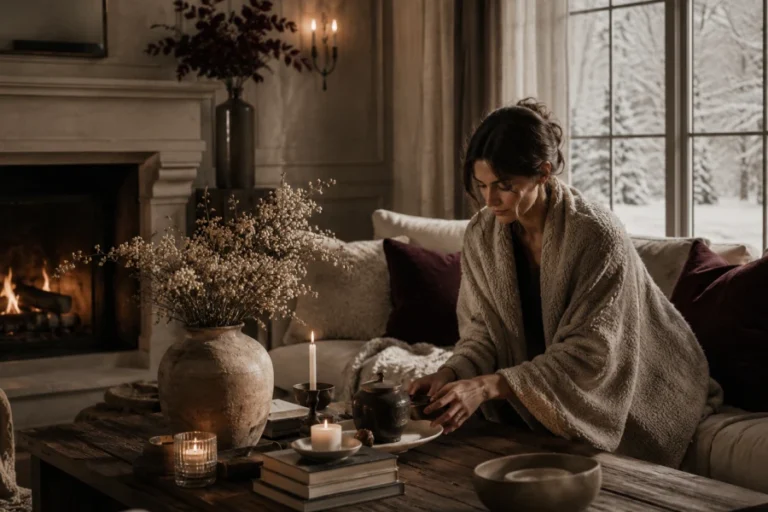
Shared rooms benefit from details that invite people to stay longer. A low table can feel more welcoming with a candle, coaster set, and soft throw nearby. Dining chairs become more comfortable with simple cushions or a warm textile draped nearby. Use lighting to create conversation areas rather than one flat, bright room. Keep drinks, books, or small snacks within easy reach. These touches make hosting feel less formal and more natural. inviting gathering details help shift the focus from décor alone to the experiences people share in the space. The room should encourage conversation without requiring anyone to be careful around it. Comfort becomes more meaningful when it is shared. That is where winter styling gains real emotional value.
The most convincing warm interiors include evidence of the people who live there. Display a few meaningful books, framed photographs, handmade pieces, or objects collected over time. Avoid turning every personal item into decoration. Instead, choose what genuinely makes the room feel like yours. Personal details add depth that store-bought styling cannot replicate. They also make the space easier to return to after a long day. Let your home reflect your interests, relationships, and routines. For more direction, cozy home styling resource ideas can help you combine practical changes with meaningful layers. The goal is not an idealized version of winter. It is a home that feels good to inhabit right now.



Leave a comment